

Machine Cinema is home to the creators, builders, and business insiders defining the future of media and entertainment. The conversation that matters is happening here.
Too busy to read? Listen to the pod instead.
Edited by Elizabeth Kealoha. Pod + Images by Ant Neely.
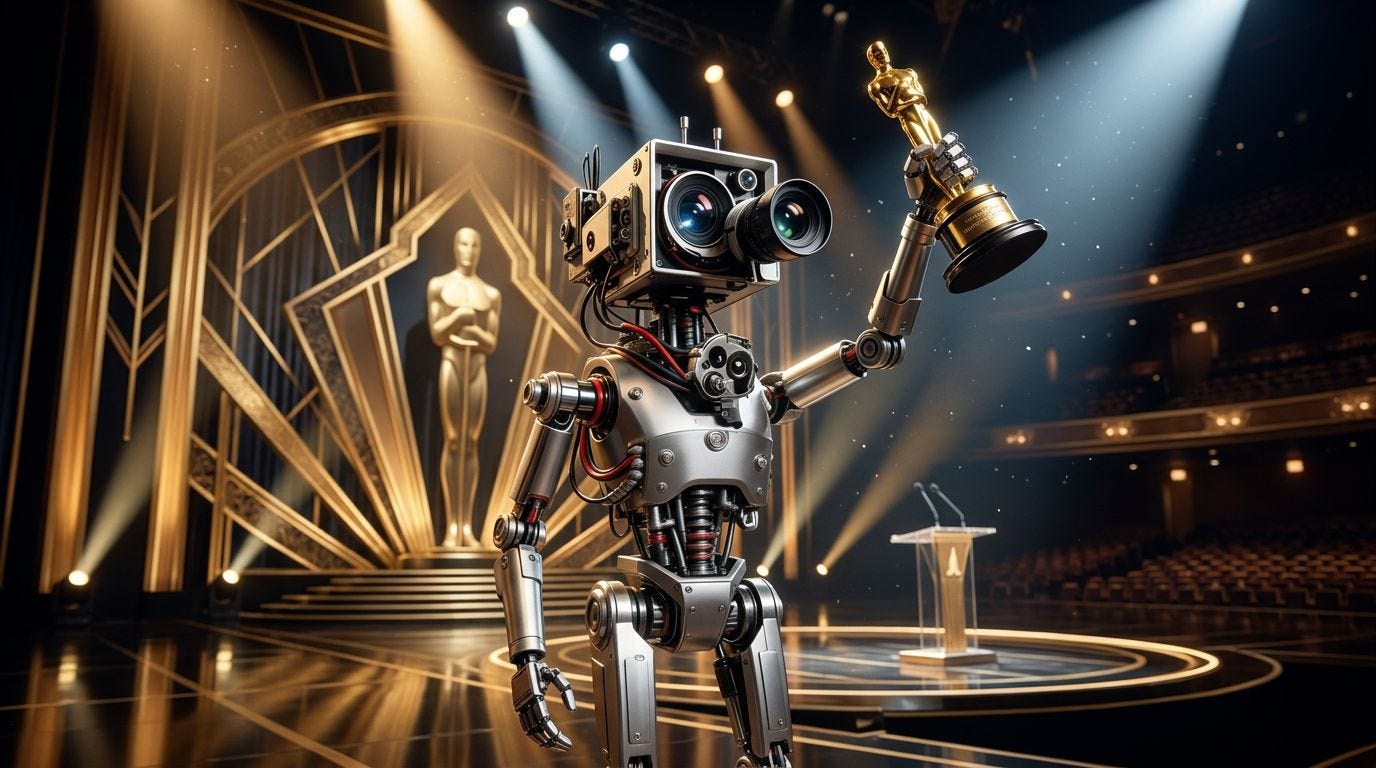
We’re Baaaaack…
After a few months away, the Machine Cinema newsletter returns with your weekly window into what’s happening across our community channels. The AI filmmaking landscape has shifted dramatically since we last wrote—new models have risen and fallen, workflows have matured, and the line between “AI experiment” and “actual production” continues to blur.
This re-launch issue catches you up on the biggest moments from January and February, then drops you into what’s been buzzing this past week.
From here on out: Saturday-Friday content, Sunday delivery.
Let’s get into it.
What You Missed: January & February Highlights
The Great Tool Debates Continued
The first two months of 2026 saw intense discussions about which video model reigns supreme. Kling 3, Sora 2, Veo 3.1, Seedance 2.0, Vidu Q3—every week brought new benchmarks and hot takes. Mike OverJK ran systematic tests across multiple models, sharing results that showed Sora 2 Pro still competing at the top tier despite the hype moving elsewhere. The consensus? There is no consensus.
Different tools for different jobs, and the landscape shifts monthly.
The Original IP Debate Kicked Off
January saw a spirited community discussion about original IP vs. spec work. Minh expressed frustration that "the most viral thing entering the new year is a Legend of Zelda AI specfic" while hoping for more original content. The community wrestled with a hard truth: AI may have lowered production costs, but audiences still gravitate to known IP. The conversation explored what it takes to break through—with consensus landing on "great work + good marketing" as the formula.

Brian Wankum's "1776" Assessment
Brian shared a detailed post-mortem on the AI film "1776," analyzing why certain approaches landed and others didn't. His takeaway: AI excels at large-scale world building but still struggles with close-up, performance-driven moments. The hybrid approach—real actors for intimate scenes, AI for scale—remains the most viable creative model for now.
Super Bowl AI Ads Sparked Discussion
The Dunkin Donuts Super Bowl spot featuring de-aged celebrities triggered a lively debate about "production techniques" (wink) and consensual deepfakes. Meanwhile, SVEDKA vodka ran what appeared to be a straight AI commercial, and the community dissected what this signals for advertising's AI future.
Big Moves in AI & Tech
Over in WeLoveRobots, the community tracked major industry shifts: OpenAI predicted to buy Pinterest (a user data play), xAI raising $20 billion, SpaceX acquiring xAI, and the Moltbook security hack exposing 1.5 million API tokens.
Minh offered perhaps the most memorable philosophical “take” of the year: "Our mission as a species is to turn everything into chips."
This Week in Community
The Sora Userbase Debate
Minh dropped a16z data showing Sora's userbase continues to grow—contrary to reports of decline. This sparked a multi-day discussion about what "success" means for AI video platforms. Mike OverJK defended Sora 2 Pro, arguing it "plays in the same league as Seedance 2.0" when used properly via nodes. Danny Ratcliff offered the insight that landed hardest: "The hype cycle is just so quick at this point. If a company isn't putting out features, it gets lost in the noise."
Mike's summary captured the community divide: "The hype cycle is for hype people. Stable pipelines that are repeatable, proven, and actually working are for film people."
[BASECAMP]
Tilly Norwood's Music Video Backlash
Variety covered AI actress Tilly Norwood's new music video addressing backlash, and the community had thoughts. Reactions ranged from "beyond trolling" to "masterclass in producing and publicity." Fred revealed he's been invited to moderate a panel featuring Tilly as a panelist—stay tuned for that one.
[BASECAMP]
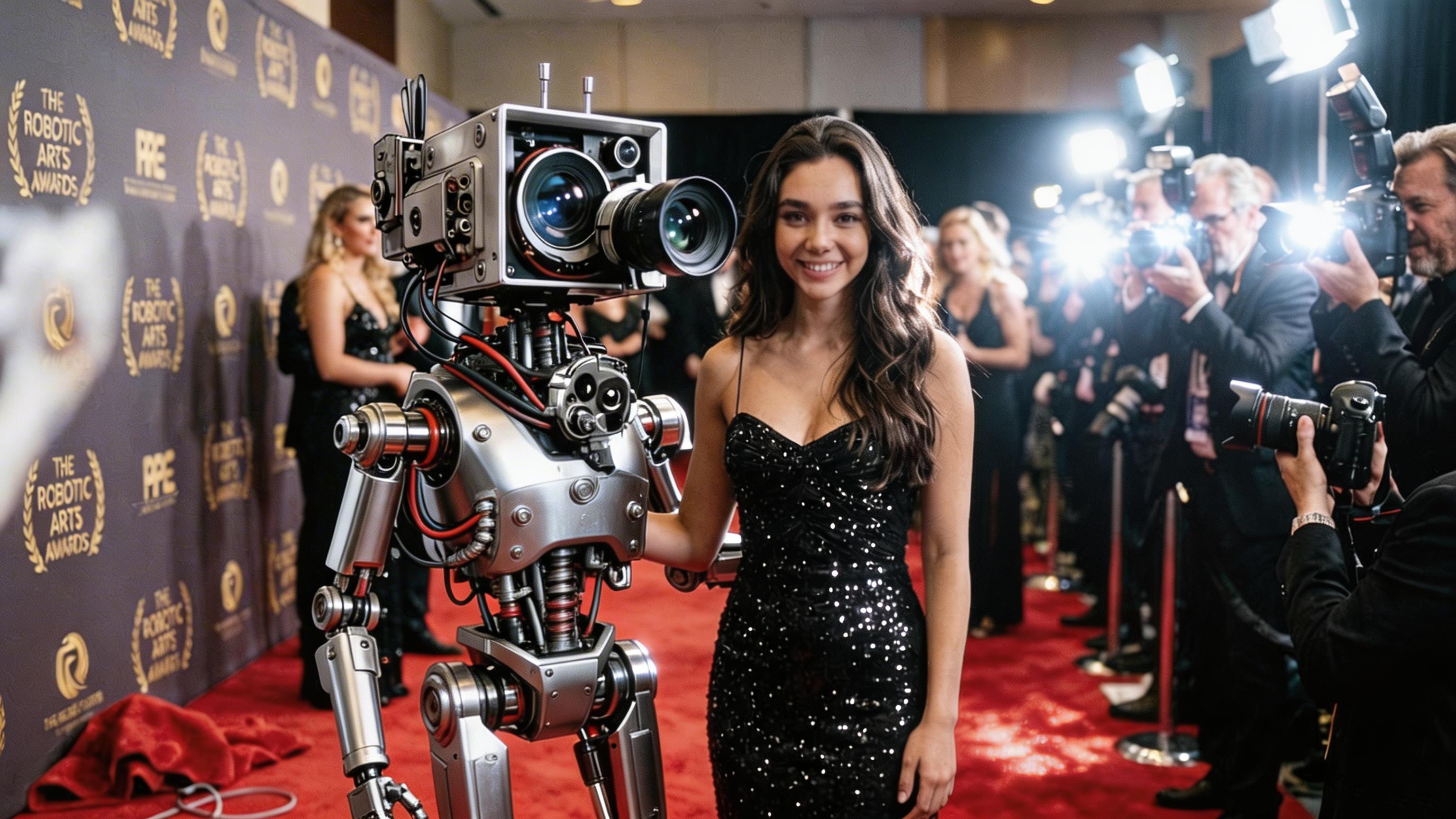
Google Invested in AnimaJ Studio
Google's AI Futures Fund invested $1 million in AnimaJ, an AI studio making content for kids on YouTube. Beyond the cash, AnimaJ gets early access to unreleased versions of Veo, Gemini, and Imagen, plus direct support from DeepMind. The community noted this as a significant signal of where big tech sees AI video heading.
[WE♥️ROBOTS]
Adobe CEO Steps Down After 18 Years
Late Thursday, news broke that Adobe's CEO is stepping down after 18 years. The community immediately connected dots: Firefly couldn't keep pace, their aggregator strategy has been messy, and Canva has been eating their lunch.
Minh posed the provocative question: “Who acquires Adobe?” The company is worth $110 billion, but as one member noted, “their AI strategy has been all over the place.”
[BASECAMP]
Claude Opus 4.6 + Chrome Extension Beta
Over in WeLoveRobots, the community buzzed about Claude's new Opus 4.6 extended context and Chrome browser extension beta. OpenClaw security discussions continued, with members advising keeping AI agents on separate machines with limited access. The consensus: exciting tools, but proceed with caution on giving AI full access to your personal data.
[WE♥️ROBOTS]
🏆 Community Wins: Escape AI Awards
Congratulations to our members who took home hardware at the Escape AI Awards this week:
Blvckl!ght — Pioneer Award
Junie — Alchemist Award
Dave Clark — Visualist Award
Nik Kleverov — Neomation Award
Davide Bianca — Master of the Craft Award
Honorable mentions to Diane Laidlaw (Afro Futcha), MeanOrangeCat, and Matt Zien.
Gen Talks:
Former Apple mobile app pioneer reveals why AI’s ‘interesting vs. useful’ gap is costing you thousands in wasted tokens—and how to fix it
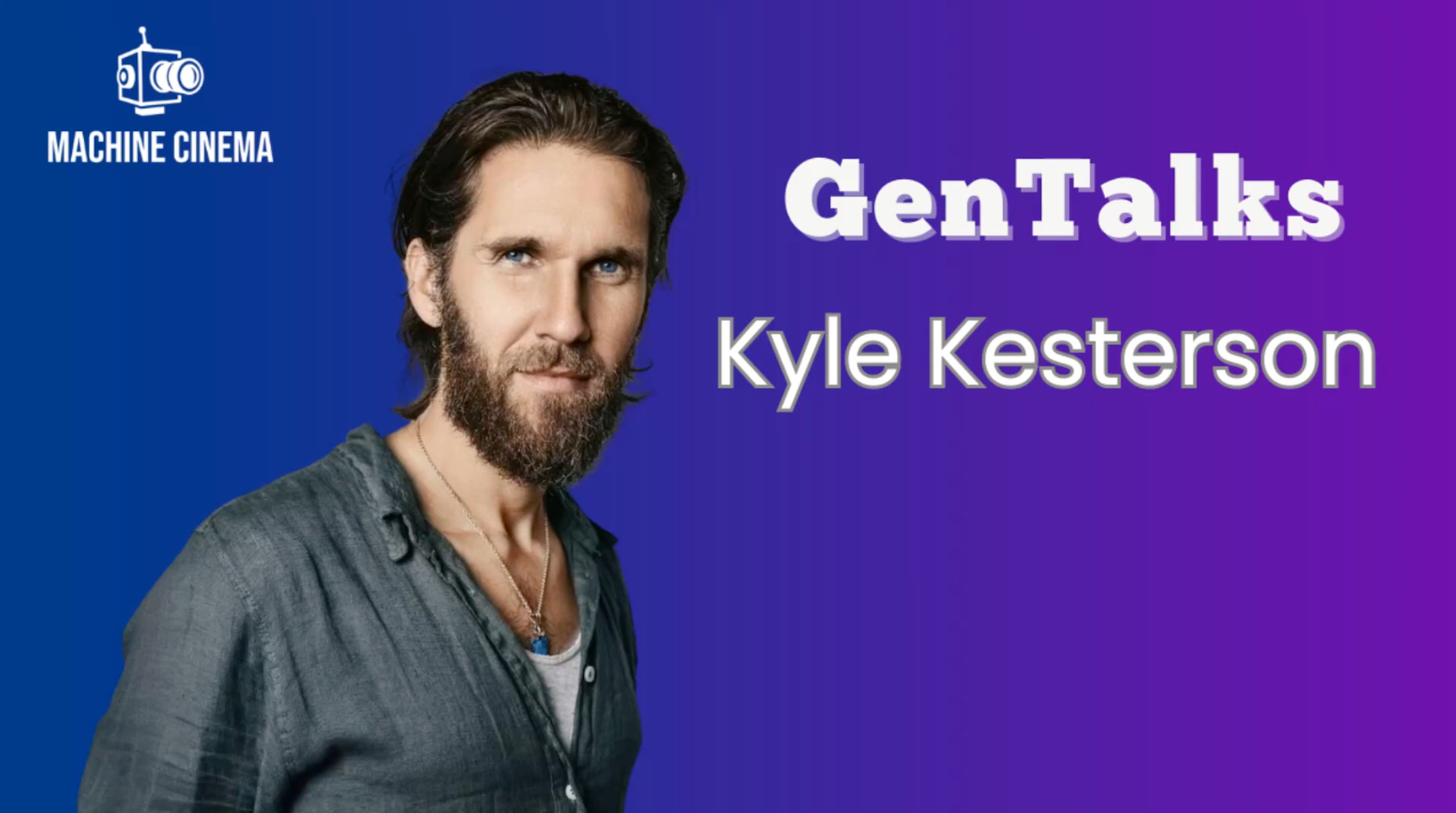
Kyle Kesterson: Product builder who helped invent Apple’s first mobile apps and the Funko Pop toy line, now leading demystify.ai embedding AI systems with Fortune 500 teams
🎬 Watch Episode →
Kyle, the product builder behind Apple’s first mobile apps and Funko Pop toys, just exposed the brutal economics of AI agents that nobody’s talking about. After burning through 50,000 Perplexity credits in days, he reveals why the ‘interesting vs. useful’ gap is costing early adopters thousands monthly—and demonstrates his virtual chat room orchestrating multiple AI agents across platforms to process client transcripts, research contacts, and draft replies autonomously. From markdown optimization tricks to sub-agent swarms running on cheaper models, Kyle shares the production-grade agentic workflows he’s deploying for Fortune 500 teams while building Futuro, his AI-native project management platform that just went live.
Key Insights:
Perplexity Computer costs $500-1000/month at real usage scale
Agent orchestrators spawn sub-agents on cheaper models for optimization
Markdown files process 10x faster than PDFs in LLMs
Virtual chat rooms enable cross-platform agent coordination automatically
AI usefulness requires skillful intent communication, not just prompts
Clip of the Week [47:50]:
Kyle demonstrates his live Perplexity Computer agent processing a client transcript in real-time, automatically extracting tasks, researching contacts, and drafting replies—then reveals the shocking economics that burned through 50,000 credits.
Hot Quotes:
💬 “There’s still a gap between interesting and useful. A lot of my work is just how to make these tools more useful.” — Kyle [02:42]
💬 “I burned through all those credits in the first week. Realistically, if you’re using this as an ongoing co-pilot, you’re spending $500 to $1,000 a month.” — Kyle [42:33]
💬 “The ability to go from thought to thing is evaporating. As a creative person, that’s super exciting.” — Kyle [33:10]
Tools Mentioned: Perplexity Computer, Claude (Opus, Sonnet, Haiku), OpenClaw, Manis, Notion, Airtable, Slack, Linear, Superbase, Vercel, Hostinger VPS, Midjourney, Runway, Pika, Fathom, Futuro.so
Machine Cinema Events This Week…
GenJam: Use AI tools to create a Short Film!- AUSTIN
📍 RTX House | The LINE Austin - Garnet Room
📅 Sunday, Mar 15 · 6:30 PM CDT
Hack to Create: Building the Toolkit- SAN JOSE, CA
📍 San Jose, CA
📅 Wednesday, Mar 18 · 9:00 AM PDT
GenJam @ GTC: Use AI to create a Short Film & Win a Dell Laptop!
📍 505 S Market St. San Jose, CA
📅 Thursday, Mar 19 · 9:00 AM PDT
🔗 This Week’s Link Drops
Industry News
Adobe CEO steps down after 18 years — Bloomberg
Google backs AnimaJ Studio with $1M + early Veo/Gemini access — Bloomberg
Netflix acquires Ben Affleck’s AI filmmaking company — LinkedIn
YouTube surpasses Disney, Paramount, WBD in 2025 ad revenue — TechCrunch
Hollywood fighting AI while selectively embracing it — Hernan Lopez
Tools & Tech
Claude Opus 4.6 + Chrome extension beta announced — Anthropic
Nvidia announces Thinking Machines Lab — Nvidia Blog
Disney becoming “Sora2 as fast as possible” — DiscussingFilm
AI Filmmaking
Andy Cohen AI avatar coming to Peacock/Bravo — Deadline
Best AI video of the week — shared by Daniel Green
NYT: Can you tell AI writing from human writing? (Quiz) — New York Times
Security & Agents
How we hacked McKinsey’s AI platform — Codewall
The FOMO Is Real
This week, multiple members voiced the same frustration: how do you keep up with these channels? One member captured the feeling perfectly: “Every single time I check back in, I feel like I’m a medieval peasant reading about astrophysics.”
Minh noted: “We do have a newsletter for this although it’s been on hiatus for a bit. Should be coming back soon!”
Well, here we are. 📬
See you next Sunday.
— Machine Cinema Newsletter
Interested in sponsoring the newsletter, one of our sections, or the community???